Table of Contents
The challenge is not a lack of commitment. The challenge is creating the clarity, structure, and implementation capacity needed to move important work forward.
LM Genuine Solutions helps nonprofit, philanthropic, civic, and community-based organizations organize complex work, align stakeholders, strengthen strategy, and move from planning to action.
This guide is designed to help nonprofit leaders think through the core areas that support a stronger organization: strategy, implementation, funding, governance, staffing, data, engagement, and impact.
Understanding the Realities of Nonprofit Leadership
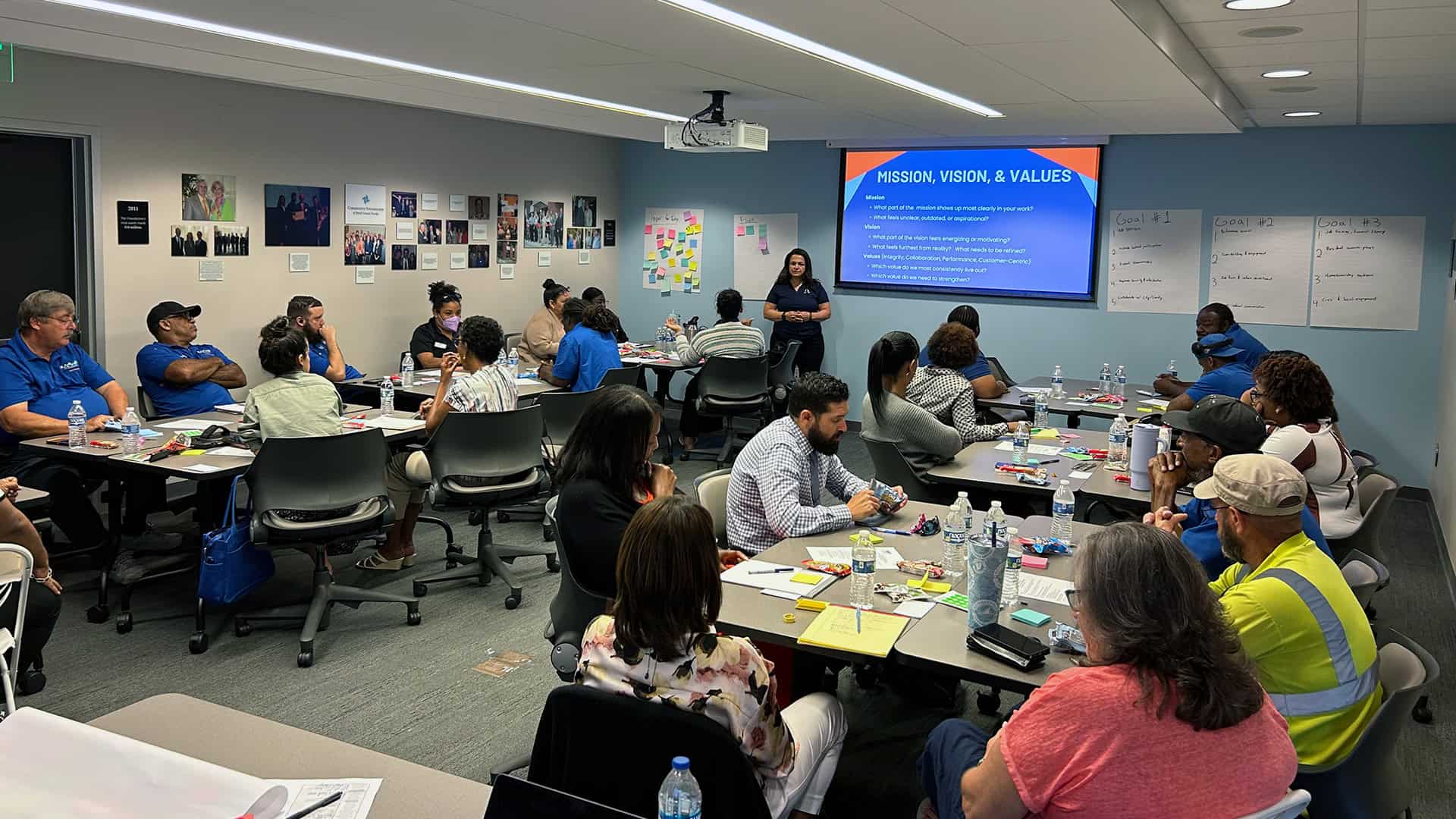
Nonprofit leadership requires mission, structure, trust, and follow-through.
The work is deeply connected to people, relationships, community needs, and long-term impact. At the same time, it requires clear priorities, strong internal systems, reliable funding, thoughtful governance, and disciplined execution.
Most nonprofit leaders are not struggling because they lack vision. They are often carrying too much with too little: limited staff capacity, changing funder expectations, expanding programs, board responsibilities, reporting requirements, and the pressure to keep services moving while also planning for the future.
That is where the right consulting support can make a meaningful difference.
LMGS helps nonprofit and mission-driven organizations bring clarity, structure, and implementation capacity to complex work. We understand that organizations need more than ideas. They need practical tools, aligned stakeholders, fundable strategies, clear communication, and support that makes the work easier to manage.
Our role is to help leaders organize the work, strengthen the strategy, and move priorities forward in a way that reflects the mission, the people, and the communities being served.

Where Nonprofit Organizations Often Need Support
Nonprofit challenges are usually connected. A funding challenge may also be a strategy challenge. A staffing challenge may also be an operations challenge. A board challenge may also be a communication challenge.
Common areas where organizations need support include:
- Clarifying priorities when everything feels important
- Turning mission and vision into realistic plans of action
- Aligning staff, board members, funders, partners, and community stakeholders
- Translating programs and initiatives into clear narratives that can be funded, approved, and implemented
- Building workplans, timelines, and tools that help teams follow through
- Strengthening board and leadership decision-making
- Preparing stronger grant proposals, funding narratives, and impact reports
- Designing engagement processes that respect community voice and build trust
- Developing data and reporting tools that communicate progress clearly
- Managing growth, transition, or increased expectations without losing focus
For nonprofit organizations, strategy cannot be separated from capacity. A plan that does not account for staffing, funding, governance, relationships, and implementation realities will not hold up over time.
Strategy and Execution
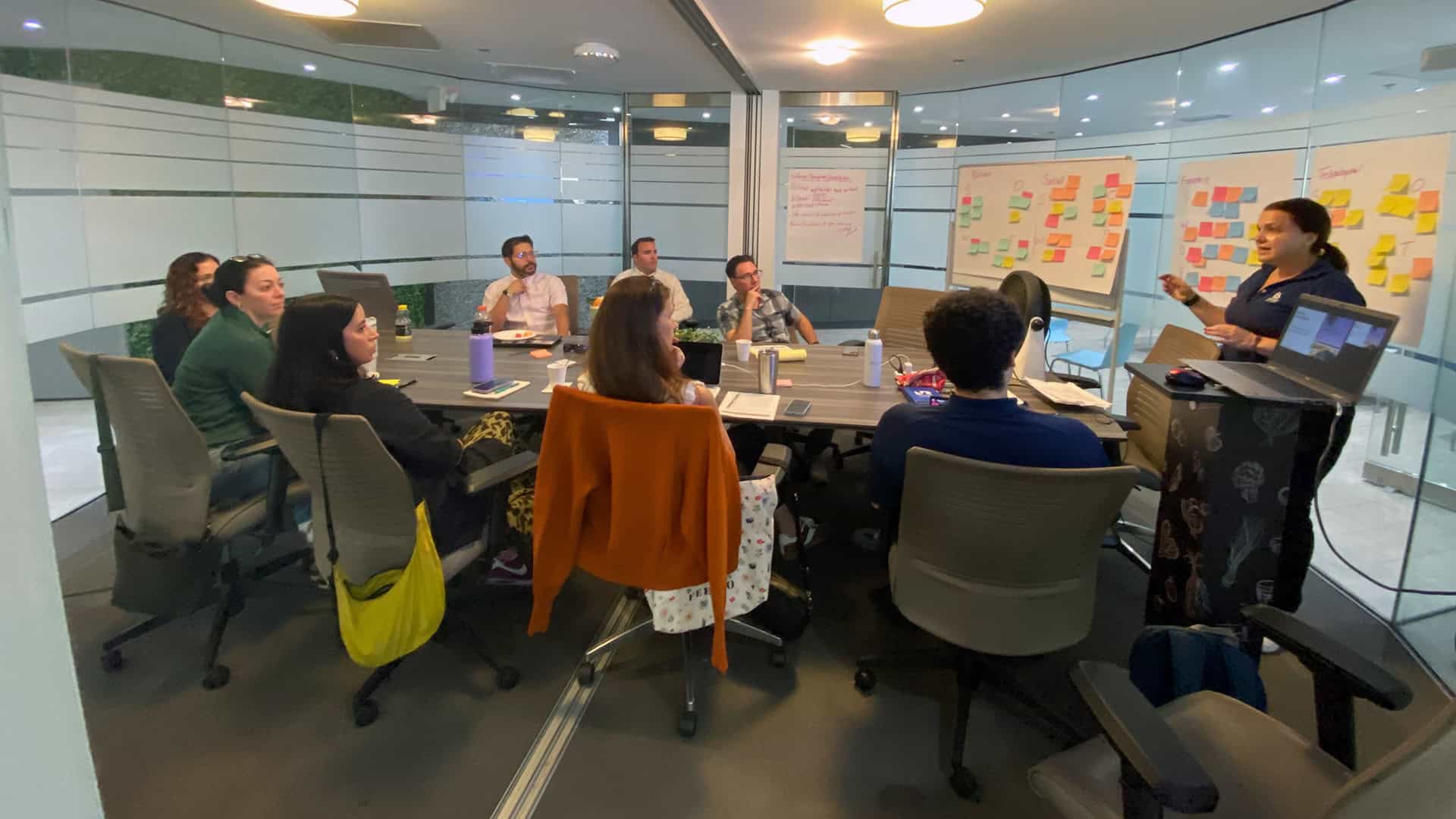
Good strategy should make the work clearer.
Strategic planning is not about creating a document that sits on a shelf. A strong strategy should help leaders make decisions, align resources, guide staff, communicate priorities, and measure progress.
For nonprofit organizations, strategy is especially important because the work is often expansive. There is always more need than time, funding, or capacity. Without clear priorities, organizations can become reactive, overextended, or pulled in too many directions.
A strong strategy helps answer:
- What are we here to do?
- Who are we here to serve?
- What matters most right now?
- What are we uniquely positioned to do?
- What should we stop doing, pause, or do differently?
- What resources do we need?
- How will we know if we are making progress?
The most effective strategies connect directly to implementation. They define not only where the organization wants to go, but what needs to happen next, who needs to be involved, and how progress will be tracked.

Implementation Planning
A plan is only as strong as its follow-through.
Many organizations invest time in planning but do not invest enough time in implementation structure. As a result, teams leave planning sessions with good ideas, but without clear ownership, timelines, milestones, or decision points.
Implementation planning helps answer:
- Who is responsible?
- What happens first?
- What needs to happen next?
- What resources are required?
- What decisions need to be made?
- What could slow us down?
- How will progress be tracked?
Strong implementation planning often includes workplans, timelines, milestones, roles and responsibilities, meeting rhythms, progress tracking, and tools for making adjustments along the way.
This is where strategy becomes real. It is also where many organizations need additional capacity, structure, and support.

Funding and Grants
Funding strategy should follow organizational strategy.
The strongest funding strategies are connected to mission, program design, organizational capacity, and measurable outcomes. Not every funding opportunity is the right opportunity. Some grants or donor opportunities can strengthen the organization. Others can pull the organization away from its priorities or create obligations the team does not have the capacity to manage.
Before pursuing new funding, nonprofit leaders should ask:
- Does this opportunity align with our mission and priorities?
- Do we have the capacity to deliver what is required?
- Will this funding support our work or pull us away from it?
- What reporting or compliance requirements come with it?
- Can we sustain the work after the funding period ends?
- Will this opportunity strengthen or strain the organization?
Many organizations know their work deeply, but need support translating that work for funders, donors, board members, and partners.
A fundable strategy should clearly explain:
- The need or opportunity
- The organization’s role
- The people or communities being served
- The proposed approach
- The outcomes expected
- The resources required
- The partners involved
- The implementation plan
- The evidence that the organization can deliver
Strong grant writing is not just about good writing. It is about having a clear project, a credible plan, a realistic budget, measurable outcomes, and a compelling case for support.

Governance and Leadership Alignment
Strong governance helps nonprofit organizations make sound decisions, protect the mission, manage risk, and maintain public trust.
Governance is not just about bylaws or board meetings. It is about how leadership functions.
Effective governance includes:
- Clear board roles and responsibilities
- Strong communication between board and staff leadership
- Useful board materials
- Transparent decision-making
- Committee structures that support the work
- Financial oversight
- Conflict of interest policies
- Succession planning
- Accountability for strategic priorities
Boards make better decisions when they receive clear, timely, and useful information. Strong board materials help members understand what decision is being requested, why it matters, what options were considered, what risks or tradeoffs exist, how the recommendation aligns with strategy, and what happens next.
When board materials are unclear, meetings can become unfocused or overly operational. When materials are strong, board members are better positioned to provide oversight, ask the right questions, and support the organization’s direction.
Staffing, Capacity, and Organizational Alignment
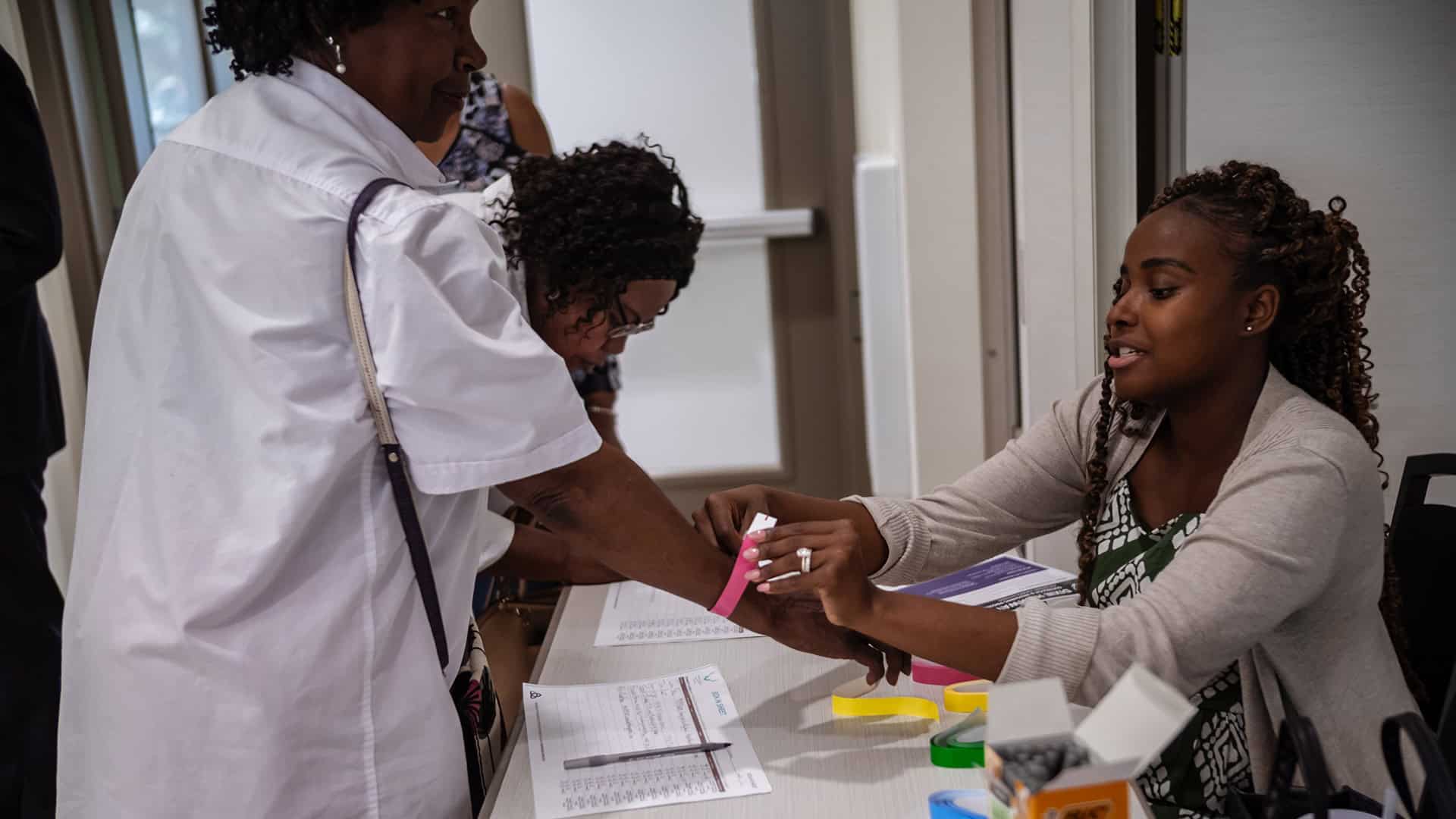
People carry the mission.
Nonprofit organizations depend on staff, volunteers, consultants, board members, and partners to move the work forward. But many nonprofits operate with limited internal capacity. This can create challenges related to role clarity, workload, supervision, retention, burnout, and organizational communication.
Capacity is not only about headcount. It is about time, expertise, systems, leadership, and the ability to follow through.
Before adding new programs, pursuing new funding, or launching new initiatives, organizations should consider:
- What work needs to be done?
- Who is responsible for it?
- What skills are required?
- What support is needed?
- What can be managed internally?
- What may require outside support?
- What work should be paused, simplified, or sequenced differently?
Strong internal alignment helps teams move faster and with less confusion. It also helps leaders make better decisions about what the organization can realistically take on.

Data, Reporting, and Impact Communication
Data should help organizations learn, decide, and communicate.
The goal is not to collect every possible data point. The goal is to collect useful information that helps the organization understand its work, improve programs, make decisions, and communicate impact.
Strong nonprofit data and reporting systems help answer:
- Who are we serving?
- What services are we providing?
- What outcomes are we seeing?
- Where are we making progress?
- Where are we falling short?
- What do funders, boards, and partners need to know?
- What do we need to learn to improve?
For many organizations, the first step is not a new software system. The first step is clarity.
Before building a dashboard or adopting a new tool, organizations should identify what questions they need data to answer, who will collect the information, how often it will be reviewed, and how it will be used.
Impact communication is the bridge between data and meaning. Organizations need to communicate results in ways that are clear, honest, and useful for different audiences, including boards, funders, partners, staff, and communities.
Stakeholder and Community Engagement
Trust is built through process.
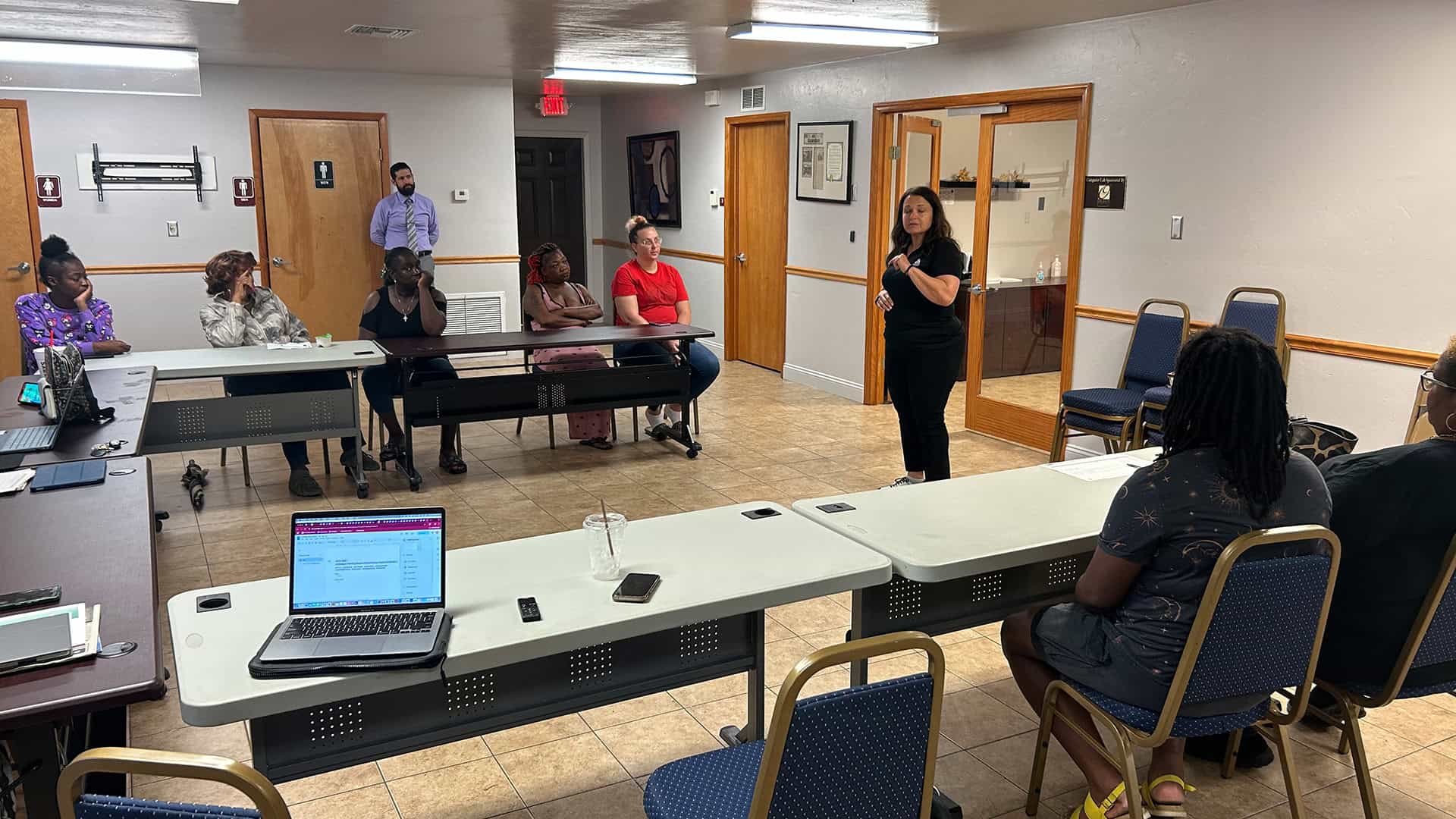
Nonprofit organizations often serve communities, manage relationships, and work across different groups of stakeholders. Engagement is not just about asking for input. It is about creating a process that is thoughtful, respectful, and useful.
Strong engagement can help organizations:
- Understand community needs
- Test ideas before implementation
- Build trust
- Strengthen program design
- Identify barriers
- Align partners
- Improve decision-making
- Demonstrate accountability
Before beginning an engagement process, organizations should be clear about why engagement is needed, who should be included, what questions need to be answered, how input will be used, and what decisions are open for discussion.
Engagement can create frustration if people are asked for input but do not understand how their input matters. A strong process is transparent about purpose, scope, and next steps.
Government Relations and Public-Sector Alignment
Many nonprofit organizations work closely with government agencies, elected officials, public systems, or publicly funded programs.
Government relations may involve public funding, contracts, policy advocacy, community initiatives, public-private partnerships, compliance requirements, reporting obligations, coalition work, or local government engagement.
Strong government relations require clarity, preparation, and credibility.
Organizations should understand which public agencies or officials are relevant to their work, how decisions are made, what funding or policy opportunities exist, what data or documentation is needed, and how to communicate impact in public-sector terms.
For organizations working across sectors, public-sector alignment can help connect community priorities, funding opportunities, policy goals, and implementation capacity.
How LMGS Supports Nonprofit and Mission-Driven Organizations
LM Genuine Solutions helps nonprofit, philanthropic, civic, and community-based organizations bring clarity, structure, and momentum to complex work.
We support organizations that need more than advice. We help leaders and teams organize priorities, develop practical tools, engage stakeholders, secure funding, and move from planning to implementation.
Our services include:
Strategic Planning and Strategic Blueprint Development
We help organizations clarify direction, define priorities, engage stakeholders, and develop practical plans that can guide action.
Implementation Planning and Project Management
We help turn strategies into workplans, timelines, roles, deliverables, and progress-tracking tools.
Grant Strategy and Proposal Development
We support funding strategy, proposal writing, budget alignment, attachments, and funder-facing materials.
Program Design and Evaluation
We help organizations design programs, clarify service models, define outcomes, and build tools to measure progress.
Stakeholder and Community Engagement
We design and support engagement processes that build trust, gather meaningful input, and strengthen planning and decision-making.
Board and Governance Support
We help organizations strengthen board materials, clarify governance roles, support decision-making, and align leadership around key priorities.
Operational Alignment and SOP Development
We help teams document workflows, clarify responsibilities, improve consistency, and strengthen internal systems.
Reporting, Data, and Impact Communication
We help organizations organize data, build scorecards, prepare reports, and communicate impact clearly to boards, funders, partners, and the community.
Cross-Sector Partnership Support
We support collaboratives, public-private partnerships, philanthropic initiatives, and community efforts that require coordination across multiple organizations and stakeholders.
Why Organizations Work With LMGS
Clients work with LMGS when they need a partner who can bring order to complexity.
We are especially effective when the work involves:
- Multiple stakeholders
- Public-facing priorities
- Board or funder expectations
- Community engagement
- Grant opportunities
- Strategic planning
- Program growth
- Operational alignment
- Sensitive decisions
- Complex implementation
LMGS brings a practical, thoughtful, and steady approach to the work. We help organizations clarify what matters, build what is needed, and move forward with confidence.
Strong nonprofit organizations are built through mission, strategy, structure, and action.
The work is not always simple. But with the right priorities, systems, partners, and support, organizations can move forward with greater clarity and greater impact.
LMGS helps mission-driven organizations do that work with care, focus, and follow-through.
Ready to Strengthen Your Organization's Next Chapter?
Whether your organization is developing a strategy, preparing for funding, strengthening programs, aligning your board, engaging stakeholders, or managing a complex initiative, LMGS can help.
We would welcome the opportunity to learn more about your work and explore how we can support your goals.
Frequently Asked Questions
When should a nonprofit hire a consultant?
A nonprofit may benefit from hiring a consultant when it needs specialized expertise, additional capacity, objective guidance, facilitation, project management, grant support, strategic planning, stakeholder engagement, or help moving a complex initiative forward.
Why is strategic planning important for nonprofits?
Strategic planning helps nonprofit organizations clarify priorities, align leadership, guide decision-making, and focus limited resources on the work that matters most. A strong plan should provide a practical roadmap for action.
How can nonprofits improve implementation?
Nonprofits can improve implementation by creating clear workplans, assigning roles, setting timelines, tracking progress, and building regular routines for review and adjustment.
How should nonprofits approach funding strategy?
Nonprofits should approach funding strategy by aligning funding opportunities with mission, capacity, and long-term goals. The best funding opportunities support the organization’s priorities rather than pulling the organization away from them.
What should nonprofits consider before applying for grants?
Before applying for a grant, nonprofits should consider whether the opportunity aligns with their mission, whether they are competitive, whether they can meet the requirements, and whether the funding covers the true cost of the work.
How can nonprofits strengthen board governance?
Nonprofits can strengthen board governance by clarifying board roles, improving board materials, focusing meetings on strategic issues, strengthening committee structures, orienting new members, and creating clear expectations for board service.
What data should nonprofits track?
Nonprofits should track data that helps them understand who they serve, what services they provide, what outcomes they achieve, and where improvement is needed. The best data systems are practical, consistent, and connected to decision-making.